 Save
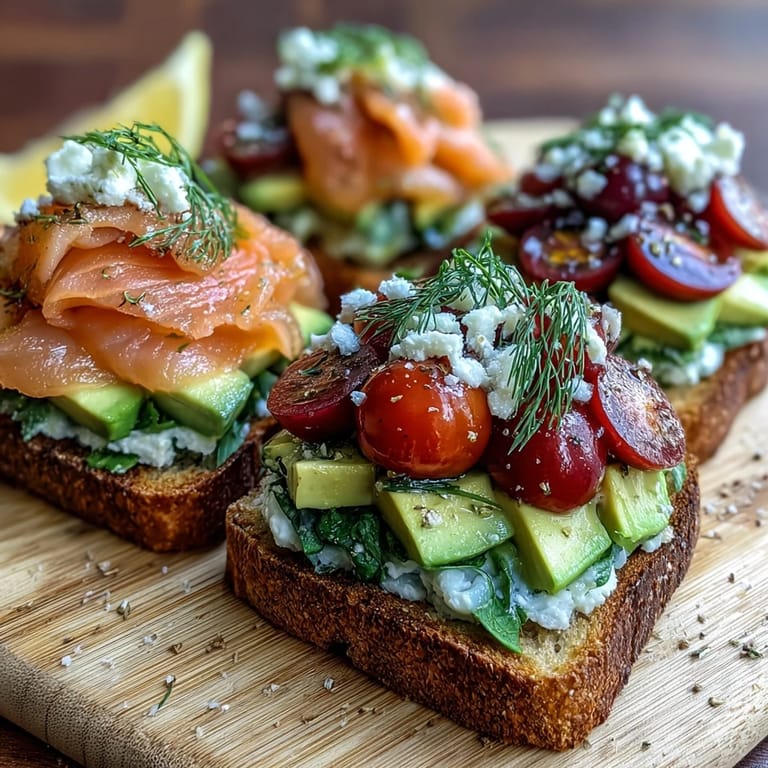
Save Last spring, a friend showed up with a cutting board instead of a casserole dish to our backyard gathering, and everything shifted. She arranged avocado, smoked salmon, and these perfect little piles of fresh vegetables across it like she was composing a painting, and suddenly everyone was making their own toast exactly how they wanted it. That moment taught me something about food that feels simple but isn't: the best meals are the ones where people get to play a role in creating them. This board became my answer to those afternoons when you want something that feels special but doesn't demand hours in the kitchen.
I made this for my cousin's baby shower, and watching three generations of women gather around that board was unexpectedly moving. My grandmother, who usually stays quiet in the kitchen, started telling everyone exactly how she'd layer her toast, and suddenly she was the expert. Food has this quiet way of shifting who gets to be in charge for a moment, and that board let everyone have their moment.
Ingredients
- Rustic sourdough or multigrain bread (1 loaf, about 12 slices): The crust needs real structure to handle the weight of toppings without collapsing, and sourdough's tang cuts through the richness beautifully.
- Ripe avocados (3): Press gently near the stem—if it gives just slightly, you're golden; too soft and they'll turn brown within minutes, too firm and they'll taste waxy.
- Fresh lemon juice (1 tablespoon): This isn't just flavor; it's insurance against browning, keeping your avocado paste a vibrant green even if people graze for an hour.
- Sea salt and black pepper: Don't skip seasoning the avocado itself—it's where half the flavor lives.
- Smoked salmon (200 g): Look for the kind that's silky, not dried out; buy it the morning you're serving if you can.
- Cherry tomatoes (150 g), halved: The smaller ones have more concentrated sweetness and look prettier on the board.
- Cucumber, thinly sliced: Keep it cool in ice water until the last minute so it stays crisp and doesn't weep onto everything.
- Radishes (4), thinly sliced: They're your little flavor bombshells—peppery and crunchy, the textural surprise people don't expect.
- Red onion, capers, fresh dill, chives, and arugula: Each one is a conversation starter; together they're why this board tastes alive instead of flat.
- Hard-boiled eggs (4), sliced (optional): They add protein and substance if you want this to feel more like dinner than a side.
- Everything bagel seasoning, flaky sea salt, red pepper flakes, and olive oil: These are your finishing tools—let people reach for them like they're conducting their own flavor orchestra.
Tired of Takeout? 🥡
Get 10 meals you can make faster than delivery arrives. Seriously.
One email. No spam. Unsubscribe anytime.
Instructions
- Toast your bread until it's golden and crisp:
- You want that crackling sound when someone bites into it, not bread that's soft enough to tear. If you're toasting ahead, let it cool so steam doesn't make it go limp while you're prepping everything else.
- Mash avocados with intention:
- Combine them in a bowl with lemon juice, salt, and pepper, but don't pulverize them into guacamole—leave little chunks so people feel the avocado's actual texture. Transfer to a small bowl so it sits pretty on the board.
- Arrange salmon like it matters:
- Fold or ribbon it across one section of your board; it's not just protein, it's a design element. The way it catches the light is part of the experience.
- Build your vegetable landscape:
- Create small piles of each topping—tomatoes here, cucumber ribbons there, radishes in their own little cluster. It looks intentional and it makes people's eyes actually map out what they want before they reach.
- Add the optional extras around the edges:
- Sliced eggs, seasoning bowls, oil cruet—whatever you're including, give it visual real estate. This is what transforms it from a snack board into an experience.
- Let everyone assemble their own:
- Spread avocado on toast, add salmon, layer their toppings, finish with oil or seasoning. The magic isn't in what you make; it's in them deciding what they want and then making it real.
 Save
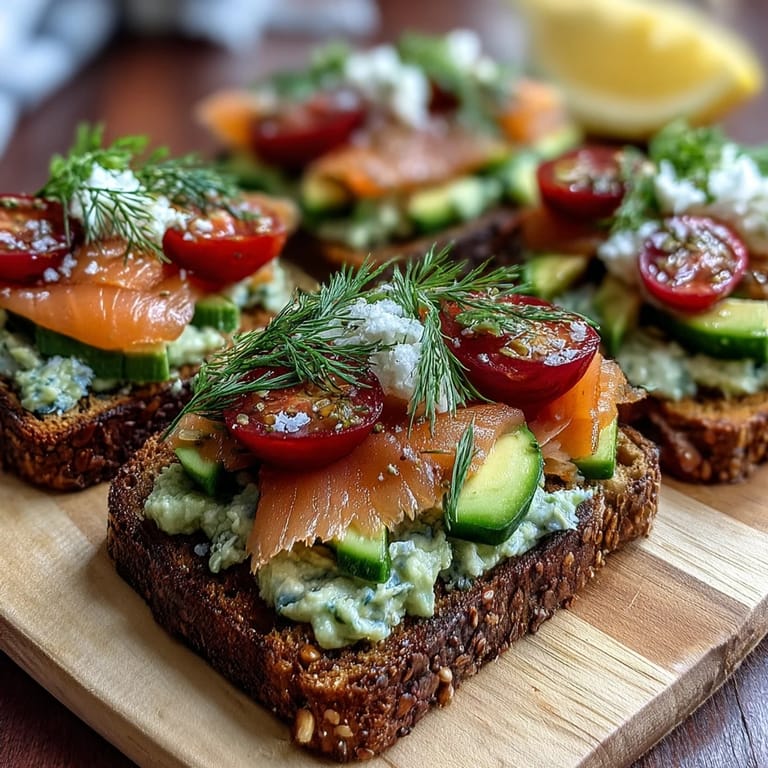
Save There's something about watching people build food exactly how they want it that makes them happier than if you'd handed them a perfect plate. They're more likely to actually taste everything, to mix flavors they might never have tried together, and somehow the conversation is better too.
The Board as Your Canvas
The actual serving vessel matters more than you'd think. A wooden board has warmth; a slate platter feels modern and dramatic; even a large cutting board works if that's what you have. The point is that you're creating visual rhythm and making people want to reach before they even taste anything. Color matters—the pink of salmon, the green of avocado, the red of tomatoes and radishes. If you've got everything in muddy beige piles, it feels sad. Spread things out, give them breathing room, and arrange toppings so the colors feel like you actually considered them.
Timing Your Prep Without Stress
The beautiful part about this is that there's no cooking involved, which means you can prep everything hours ahead and still have something that feels fresh. Toast your bread in the morning and keep it in an airtight container so it stays crisp. Slice your vegetables and keep them in separate containers in the fridge—they'll actually stay fresher that way than if you mix them. Mash your avocado right before people arrive, cover it with plastic wrap pressed directly onto the surface to keep air off, and keep it cool. When guests arrive, you're literally just arranging things on a board, which takes about four minutes and makes you look like a genius.
Making It Your Own
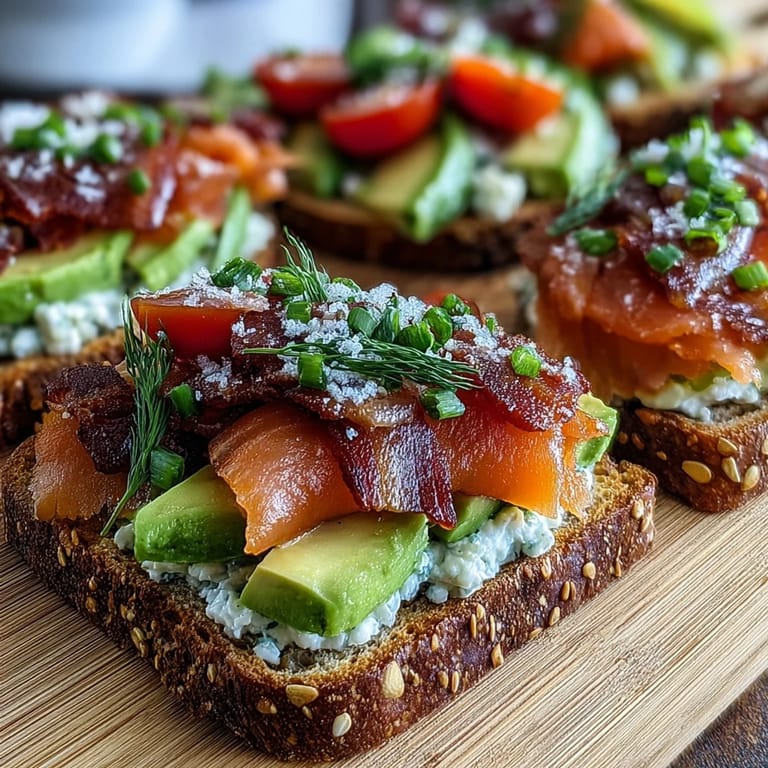
This board is genuinely a template, not a rulebook, which is probably why it works so well. I've made it with pickled red onions instead of fresh, added crispy bacon for people who need it, swapped smoked trout when salmon wasn't available, even gone fully vegetarian with just cheese and extra vegetables. The structure stays the same—good bread, creamy avocado base, fresh toppings arranged beautifully—but the specifics should reflect what you've got and what your people actually want to eat.
- Try ricotta or whipped goat cheese mixed with the avocado for a tangier spread that's still creamy.
- Add crispy chickpeas, toasted nuts, or crumbled feta if you want textural layers that make people pause and actually notice.
- Arrange everything the night before on your board with plastic wrap draped over it, then just uncover it when guests arrive for maximum impact.
 Save
Save This board has become my answer to the question of how to feed people well without spending your entire day cooking. It's also become the thing people ask me to bring, which means it gets to be more than just breakfast.
Recipe FAQs
- → What type of bread works best for this brunch board?
Rustic sourdough or multigrain bread sliced and toasted provides a sturdy and flavorful base for the creamy avocado and smoked salmon.
- → Can I substitute smoked salmon with other proteins?
Yes, smoked trout makes a great alternative, and omitting fish altogether works well for a vegetarian option.
- → How should the avocado be prepared for optimal texture?
Mash ripe avocados with lemon juice, sea salt, and black pepper until creamy yet slightly chunky for a balanced texture.
- → What fresh toppings complement the avocado and salmon?
Cherry tomatoes, thinly sliced cucumber, radishes, red onion, capers, fresh dill, chives, and baby arugula add brightness and contrast.
- → Are there any suggested optional extras to enhance flavors?
Hard-boiled eggs, crushed red pepper flakes, flaky sea salt, olive oil drizzles, and everything bagel seasoning add layers of flavor and texture.
- → How long does preparation take for this brunch board?
Preparation takes about 20 minutes with no cooking time required, making it an easy and quick option.