 Save
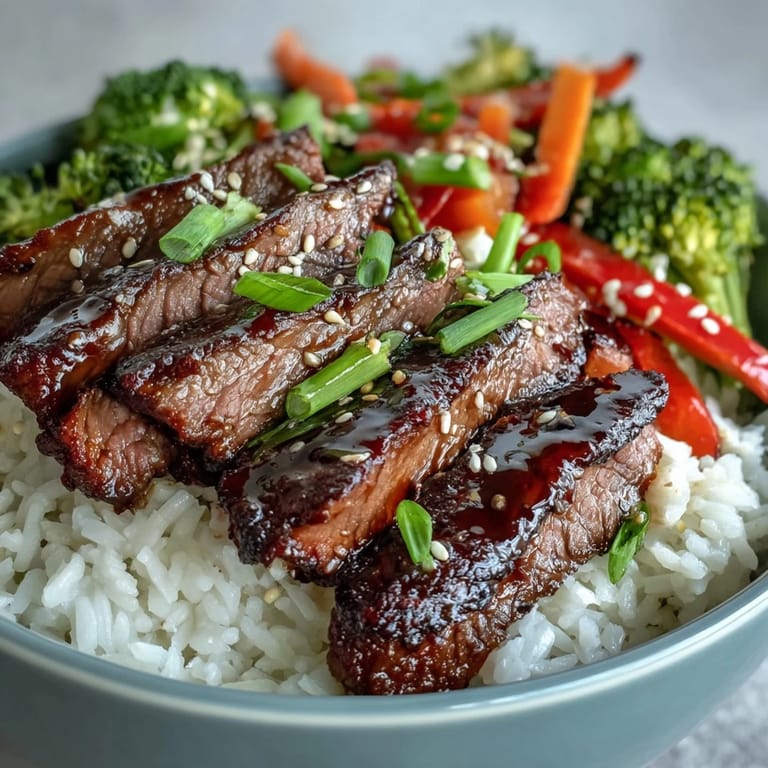
Save There's something about the sound of beef hitting a hot wok that just signals dinner is happening. My neighbor taught me this bowl years ago when she was moving and cleaning out her freezer—she needed to use up flank steak and had a bottle of mirin she'd been saving. Twenty minutes later, I understood why she made this constantly. The glaze came together like magic, clinging to every slice of beef, and suddenly rice felt like the most important canvas in my kitchen.
I made this for my sister during a busy week when she was staying with us, and she asked if I'd been secretly taking cooking classes. The truth? I'd burned the sauce the first time, so I learned to watch it like a hawk, and that attention actually matters. Now when I make it, there's this moment right before serving when everything glistens together in the pan, and I always remember that failure taught me to pay attention.
Ingredients
- Flank steak or sirloin, thinly sliced (500 g): The thickness matters here—thin slices mean the beef cooks through in minutes without toughening up, so ask your butcher to help or partially freeze it first to make slicing easier.
- Cornstarch (1 tbsp for beef): This coating creates a gentle crust that helps the meat brown beautifully while keeping it tender inside.
- Vegetable oil (1 tbsp): You need a neutral oil that can handle high heat without smoking, so skip olive oil and stick with something like canola or peanut.
- Soy sauce (80 ml): The backbone of the sauce—use full-sodium soy sauce unless you need gluten-free, then switch to tamari and you won't notice the difference.
- Mirin (60 ml): This sweet rice wine adds depth that honey alone can't replicate, though honestly they balance each other well.
- Honey or brown sugar (2 tbsp): Either one works, but brown sugar dissolves faster if you're in a hurry.
- Rice vinegar (2 tbsp): The acidity cuts through the richness and prevents the sauce from feeling one-note sweet.
- Garlic (2 cloves, minced) and ginger (1 tsp grated): Fresh ginger makes a real difference in brightness—don't skip it or use powder, it changes the flavor entirely.
- Cornstarch slurry (1 tbsp cornstarch mixed with 2 tbsp water): This is what transforms sauce into glaze, so whisk it smooth before you need it.
- Carrots (1 medium, julienned), bell pepper (1 red, sliced), broccoli florets (150 g), spring onions (2, sliced): Cut everything roughly the same size so it cooks evenly—I learned that the hard way when some vegetables were still crunchy while others were soft.
- Sesame seeds (1 tbsp for garnish): Toast them in a dry pan for thirty seconds first, and the flavor becomes something else entirely.
- Cooked white or brown rice (2 cups): Make this first or while your sauce simmers—warm rice is everything here.
Tired of Takeout? 🥡
Get 10 meals you can make faster than delivery arrives. Seriously.
One email. No spam. Unsubscribe anytime.
Instructions
- Make your sauce first:
- In a saucepan, combine soy sauce, mirin, honey, rice vinegar, garlic, and ginger over medium heat and let it simmer just until the edges start to bubble. The minced garlic will soften and release its aroma into the room—that's your signal it's working. Whisk in your cornstarch slurry and watch it transform from thin liquid to glossy glaze in about two minutes, then turn off the heat and let it rest.
- Prep your beef:
- Toss your thin beef slices with cornstarch until every piece is lightly coated—this only takes a minute and makes a real difference in how the meat browns. Set it aside on a plate, not back in the package, so it's ready to go.
- Sear the beef fast:
- Get your skillet or wok screaming hot over high heat, add oil, and listen for it to shimmer—that's when you know it's ready. Add beef in a single layer and let it sit for a minute before stirring, because that contact with the hot pan is what builds that brown crust. Two to three minutes total and you're done; don't overcrowd the pan or the meat will steam instead of sear.
- Stir-fry your vegetables:
- In the same skillet, add carrots, bell pepper, and broccoli without washing the pan—all those brown bits add flavor. Keep the heat high and keep moving them around for three to four minutes until they're tender but still have a little snap when you bite one.
- Bring it together:
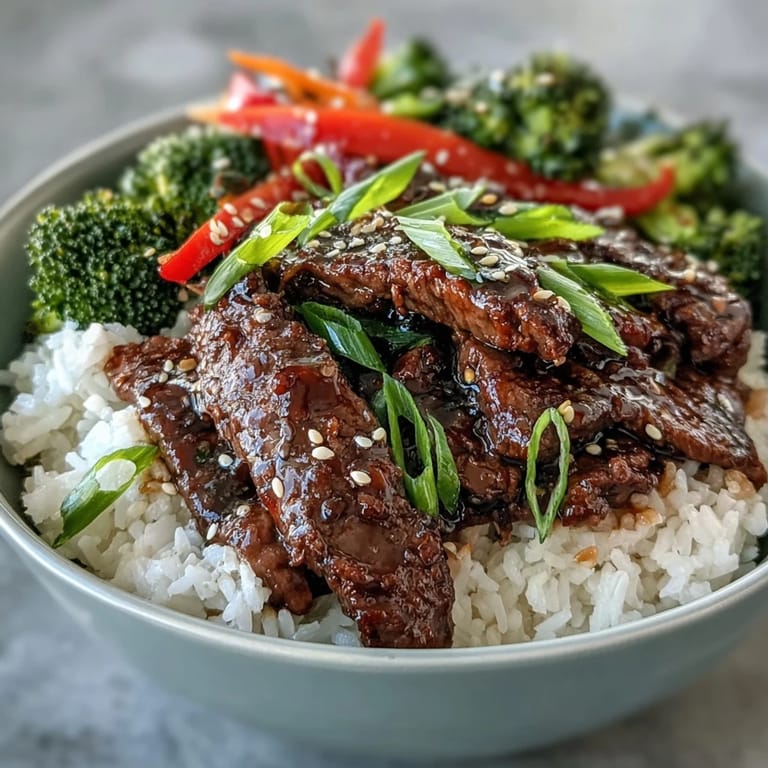
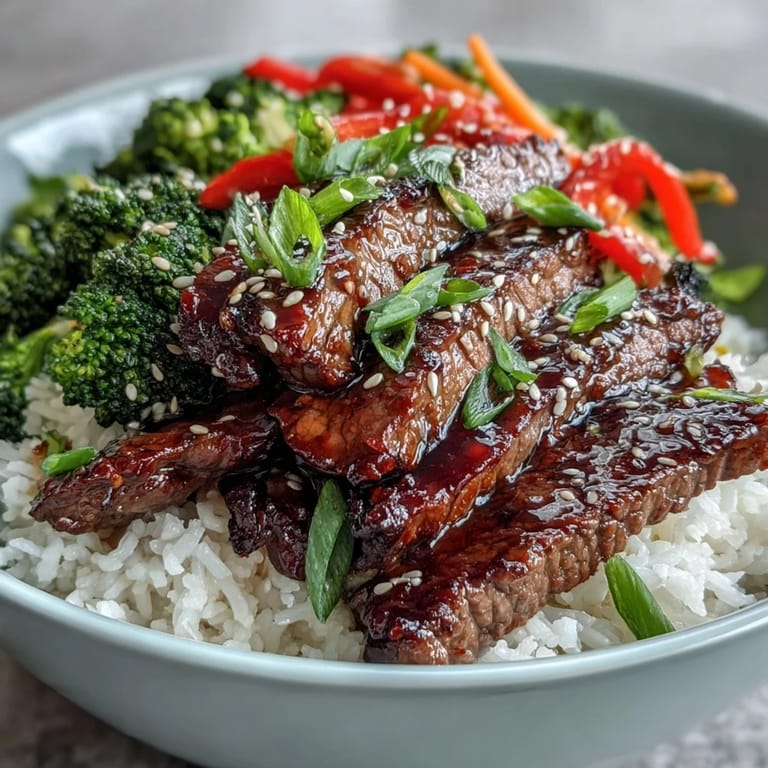
- Return the beef to the skillet, pour that glossy teriyaki sauce over everything, and toss for exactly one minute so every piece gets coated. The sauce will cling to the warm ingredients and create something that looks restaurant-quality.
- Serve and finish:
- Divide hot rice between bowls, top with the beef and vegetables, then scatter spring onions and toasted sesame seeds across everything. Sesame seeds add a subtle nuttiness that feels like a professional touch but is honestly just showiness on your part.
 Save
Save My partner once said this tastes like the meals we'd get from that one restaurant we loved but had to drive forty minutes to reach. Now we make it on a Wednesday when nobody has time to think, and it feels like we're cheating in the best way. There's something satisfying about beating a restaurant at its own game using ingredients that were probably already in the pantry.
The Science Behind That Perfect Glaze
The cornstarch slurry isn't just thickening agent—it's what transforms loose sauce into something that clings to the beef and vegetables instead of running off into the rice. When cornstarch hits heat, its starches gelatinize and create that glossy, slightly sticky coating that makes everything look finished. I watched a cooking show once where they called this technique 'nappé,' which sounds fancy but really just means the sauce hugs everything on the plate.
Why Sliced Beef Matters More Than You'd Think
Thin-sliced beef cooks through in minutes, which means you avoid that gray, overcooked texture that makes tough meat impossible to enjoy. The surface area matters—thin pieces brown faster and cook more evenly, while thick chunks often end up raw inside or leathery outside. If your butcher won't slice it for you, pop the steak in the freezer for thirty minutes until it's firm but not frozen, then slice against the grain with a very sharp knife and you'll have deli-quality slices at home.
Room to Improvise
This bowl works with almost any protein you have on hand—chicken breast, tofu, shrimp, even ground beef all take the teriyaki glaze beautifully. The vegetables are just suggestions too; swap them for whatever's in your crisper drawer or what you're actually excited to eat. One night I had snap peas and mushrooms instead of carrots and broccoli, and honestly it was better because I'd actually chosen ingredients I wanted rather than following the recipe like scripture.
- Mushrooms absorb the glaze like little sponges, so add them if you want extra umami depth.
- Edamame stirred in at the very end adds protein and a pop of color without needing extra cooking time.
- If you use chicken, pound it thin so it cooks as fast as the beef does.
 Save
Save This bowl has become the recipe I make when I want to feel competent without stress, when I need dinner to happen quickly, or when I'm showing someone that good food doesn't require complicated technique. It's the kind of meal that tastes like you tried, even when you didn't really have to.
Recipe FAQs
- → What cut of beef works best?
Flank steak or sirloin sliced thinly against the grain yields the most tender results. The cornstarch coating helps keep the meat moist during stir-frying.
- → Can I make the teriyaki sauce ahead?
Yes, prepare the sauce up to 5 days in advance and store refrigerated in an airtight container. Reheat gently before tossing with the beef.
- → How do I get the sauce thick and glossy?
The cornstarch slurry is key—whisk it into the simmering sauce and cook for 2-3 minutes until it reaches a glossy consistency that coats the back of a spoon.
- → What vegetables can I substitute?
Snap peas, edamame, mushrooms, or bok choy work beautifully. Aim for colorful crisp-tender vegetables that complement the sweet savory glaze.
- → Is this suitable for meal prep?
Absolutely. Portion into containers and refrigerate up to 4 days. Reheat gently with a splash of water to refresh the sauce coating.