 Save
Save There's something about the smell of leeks hitting hot butter that stops me mid-thought every single time. My neighbor once asked why my kitchen smelled like a French bistro on a random Tuesday, and honestly, I didn't have a better answer than this soup simmering on the stove. It's the kind of dish that feels fancy but requires almost no stress, just patience and a willingness to let the vegetables do their thing. The first time I made it properly, I was surprised how the humble potato transformed into something silky and elegant once blended with cream. Now it's become my go-to when I want to feel like I know what I'm doing in the kitchen.
I made this for my sister during one of those gray February afternoons when nothing feels quite right until you're holding a warm bowl. She came home from a terrible day at work, and I had this soup ready—no fanfare, just steam rising from a pot and the kind of forgiveness that only food can offer. She sat at the kitchen counter and ate three bowls while telling me about her day, and by the end, the world didn't seem quite so heavy. That's when I realized this soup does more than feed you; it catches you when you need it most.
Ingredients
- Unsalted butter and olive oil: The combination gives you richness without heaviness, and starting with both means the leeks caramelize beautifully without burning.
- Leeks (white and light green parts): These are the soul of the soup, sweeter and milder than onions when cooked low and slow; always slice them lengthwise first, then into half-moons, and give them a good rinse between the layers.
- Yellow onion: Adds backbone and depth that makes people wonder what secret ingredient you used.
- Garlic: Mince it fine so it dissolves into the broth rather than floating around.
- Yukon Gold potatoes: These stay creamy when blended instead of turning gluey like russets would; peel and dice them small so they cook evenly.
- Celery: Often overlooked, but it's the quiet hero that rounds out the flavor profile.
- Vegetable or chicken broth: Use low-sodium so you control the salt level; homemade is always better if you have it, but quality store-bought won't let you down.
- Whole milk or cream: The milk keeps it lighter, but cream turns it into something you'll dream about; I often use half and half as the sweet spot.
- Bay leaf and fresh thyme: These herbs are classic for a reason; dried thyme works in a pinch, but fresh makes you taste the actual plant.
- Kosher salt and black pepper: Taste as you go because every broth is different, and you're the only one who knows exactly how much you like.
Tired of Takeout? 🥡
Get 10 meals you can make faster than delivery arrives. Seriously.
One email. No spam. Unsubscribe anytime.
Instructions
- Start with butter and oil:
- Heat them together in a large pot over medium heat until the butter stops foaming and you can smell its nutty sweetness. This takes about a minute, and it's the moment you know something good is about to happen.
- Cook the leeks and onion:
- Add them to the warm fat and let them soften for 5 to 6 minutes, stirring occasionally so they turn translucent and golden at the edges. They should smell sweet and almost caramel-like, not browned or crispy.
- Wake up the aromatics:
- Toss in the minced garlic and diced celery, then stir constantly for about 2 minutes until the kitchen smells incredible. This short window coaxes out all their flavor without letting them scorch.
- Build the base:
- Add the diced potatoes, bay leaf, thyme, salt, and pepper, then pour in your broth. Stir well so everything is submerged and the seasonings are distributed.
- Bring it to a boil and simmer:
- Let it come to a rolling boil, then cover and reduce heat to low. Simmer for 20 to 25 minutes until the potatoes are so tender they fall apart when you touch them with a spoon.
- Remove and blend:
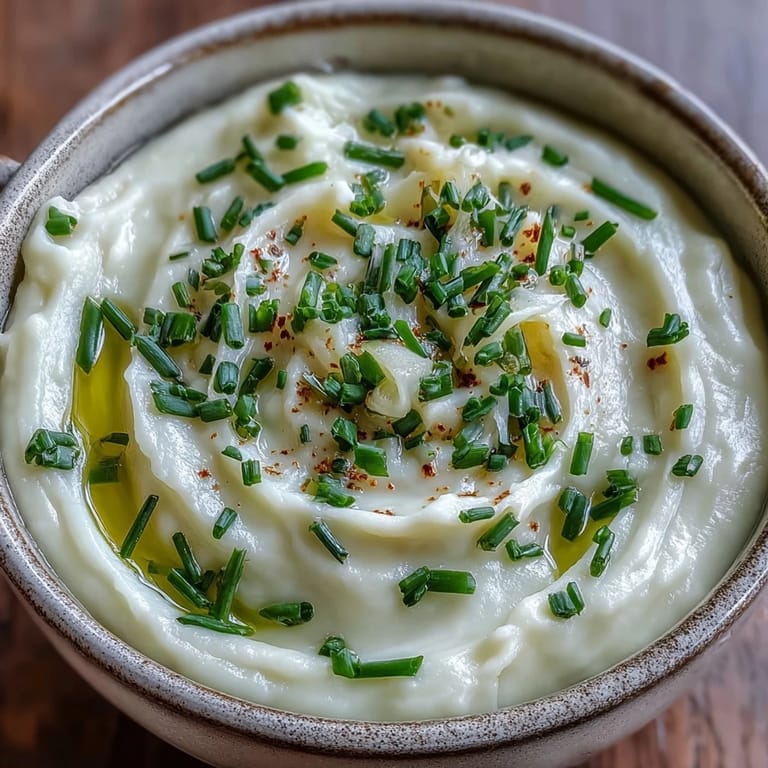
- Fish out the bay leaf, then use an immersion blender to purée the soup until it's silky and smooth. If you like some texture, leave it slightly chunky; if you want elegance, blend until there are no lumps.
- Finish with cream:
- Stir in the milk or cream gently and let it heat through for 2 to 3 minutes without boiling. Taste it now and adjust the salt and pepper because this is your last chance to get it right.
- Elevate if you want:
- For seafood, gently fold in cooked shrimp or scallops and let them warm through; for bacon, crisp it first, crumble it, and scatter it over each bowl when you serve.
- Serve with intention:
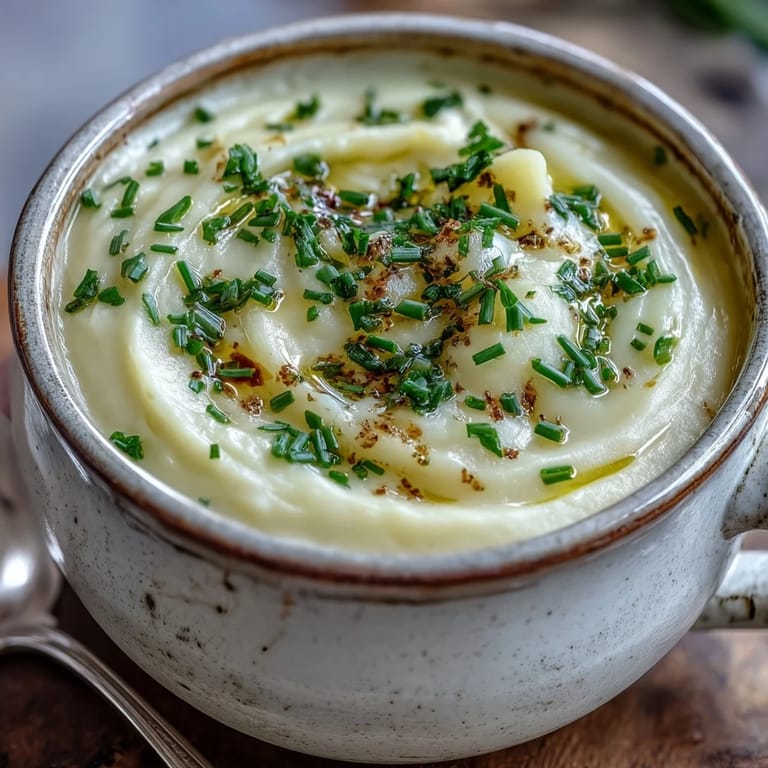
- Ladle it into bowls, garnish with chives or parsley if you have them, and deliver it while it's still steaming.
 Save
Save Years ago, I overblended a batch and made it completely smooth, almost like a thick bisque, and instead of being disappointed, I poured it into a bread bowl at a dinner party and everyone acted like I'd reinvented soup. It taught me that there's no single right way to make this—only your way, and sometimes happy accidents taste even better than the plan.
The Magic of Simple Ingredients
This soup proves that you don't need a pantry full of exotic things to create something that feels restaurant-quality. The real work is in the technique: treating the leeks with patience, tasting constantly, and understanding that cooking is really just listening to what the ingredients are telling you. I've learned that the best meals come from respecting what you're working with, not fighting it.
Timing and Texture
The 35 minutes of active cooking time is forgiving because you're not hovering over the stove—the simmering does most of the work while you read, chat, or just stand there thinking about how good it's going to taste. The key is knowing when the potatoes are truly tender, which happens when you can squash a piece against the side of the pot with a wooden spoon. Some days they cook faster than others depending on their size and your stove, so trust your senses more than the clock.
Making It Your Own
This is where the soup stops being a recipe and becomes an expression of what you love. On cold nights, I add extra cream; in spring, I'll stir in fresh peas or corn for color and sweetness; around seafood season, I fold in whatever's fresh at the market. The base is flexible enough to handle your mood, your pantry, and whatever you're craving.
- Try it with bacon, crispy oysters, or fresh crab if you're feeling coastal and luxurious.
- A drizzle of truffle oil or good olive oil at the end turns it from comfort food into something you'd order at a fancy restaurant.
- Leftover soup reheats beautifully and often tastes even better the next day once all the flavors have had time to get cozy together.
 Save
Save This soup has saved more evenings than I can count, showing up on tables when nothing else seemed right. It's the kind of dish that reminds you why cooking matters—not because it's complicated, but because it's honest.
Recipe FAQs
- → Can I make this soup ahead of time?
Yes, this soup stores beautifully for up to 4 days in the refrigerator. Reheat gently on the stovetop, adding a splash of broth or milk if it thickens. For best texture, add seafood or bacon just before serving rather than storing with the soup.
- → What's the best way to clean leeks?
Slice the leeks lengthwise and rinse thoroughly under cold running water, separating the layers to remove any trapped dirt or sand. Pat dry before slicing. Using only the white and light green parts ensures a milder, sweeter flavor.
- → Can I freeze potato leek soup?
While possible, freezing can affect the texture of potatoes, making them slightly grainy. If you plan to freeze, consider blending the soup completely smooth before freezing. Thaw overnight in the refrigerator and reheat gently, whisking to restore creaminess.
- → How do I make this soup dairy-free?
Replace butter with additional olive oil and use unsweetened oat milk, cashew cream, or coconut milk instead of dairy milk. Coconut milk adds richness while oat milk keeps the flavor neutral. The soup will still be deliciously creamy.
- → What type of potatoes work best?
Yukon Gold potatoes are ideal for their creamy texture and buttery flavor. Russet potatoes also work well and create a fluffier consistency. Avoid waxy potatoes like red potatoes, as they don't break down as smoothly when blended.
- → How can I make the soup thicker or thinner?
For a thicker soup, use less broth or add an extra potato. For a thinner consistency, gradually stir in more broth or milk until you reach your desired texture. You can also blend only half the soup for a chunkier, rustic texture.